Skip to content
Kontakt: info@humac-farma.sk | +421 910 749 403
English
  • Slovenčina
  • Čeština
  • Deutsch
€
  • Kč
  • English version
HUMAC farma
  • About us
  • Solutions
    • Animal husbandry

      Find out how activated humic acids can maintain and improve the productive health of your livestock.

      More

      Environment

      Find out how activated humic acids can help create a clean and vibrant environment with reduced toxicity levels.

      More

      Plants and soil

      Find out how activated humic acids can help produce a clean and bountiful harvest in your garden or on your farm, as well as in other specialised soil applications.

      More

      Our solutions help

      Products based on humic acids – just as nature intended.

      WITHOUT THE USE OF CHEMICALS OR ADDITIVES.

    • For animal husbandry
    • For plants and soil
    • For the environment
  • Products
    • For feed detoxification

      HUMAC® Natur AFM MycotoxiSorb

      A specialised product for detoxifying livestock feed from mycotoxins and heavy metals.

      More

      For animal husbandry

      HUMAC® Natur AFM

      A feed ingredient developed to improve the animals’ health and production capacity.

      More

      For young animals

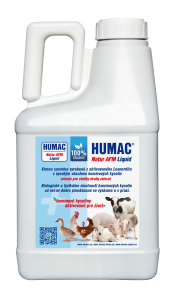
      HUMAC® Natur AFM Liquid

      A liquid feed ingredient developed to improve the health and wellbeing of young animals.

      More

      For soil and plants

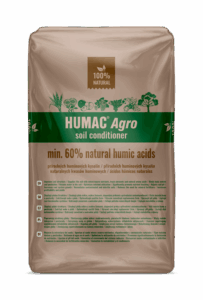
      HUMAC® Agro

      A natural carbon-based soil conditioner designed for use in agriculture and the environment.

      More
    • HUMAC® Natur AFM MycotoxiSorb
    • HUMAC® Natur AFM
    • HUMAC® Natur AFM Liquid
    • HUMAC® Agro
  • Contact
    • Cooperation
  • English
    • Slovenčina
    • Čeština
    • English
    • Deutsch
  • 0,00 €
  • Toggle website search
Search this website Press Escape to close the search panel.
0,00 €

HUMAC product

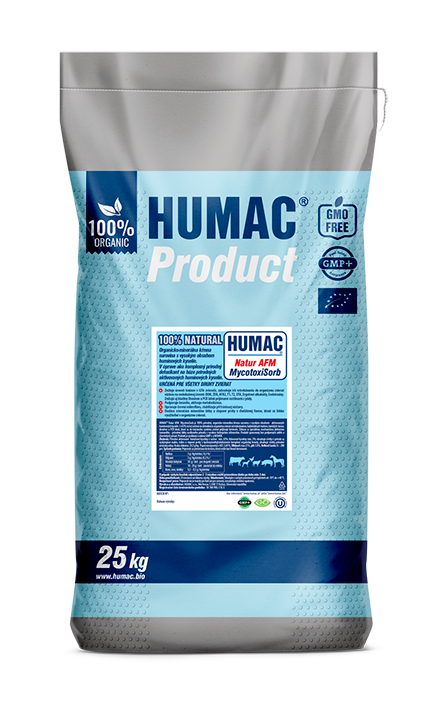
HUMAC® Natur AFM MycotoxiSorb
  1. Home/
  2. Products/
  3. HUMAC® Natur AFM MycotoxiSorb

For feed manufacturers

HUMAC® Natur AFM MycotoxiSorb is a 100% natural feed ingredient produced from activated leonardite with a high humic acid content (+65%) intended for the detoxification of feed mixtures from mycotoxins, bacterial toxins, heavy metals and other organic toxins such as dioxins, PCBs and others, which commonly enter the body via feed. HUMAC® Natur AFM MycotoxiSorb is indigestible; therefore, toxins bound to its structure are eliminated from the body via the faeces. The active ingredient, humic acids, is derived from the special mechanical activation of Leonardite – a natural substance of plant origin with high biological activity. Humic acids act as an organic detoxifying agent with a high affinity for heavy metals and other toxins. The product is mechanically processed using our proprietary dual-activation process to enhance its efficacy.

Ingredients

Humidity max. 21%
pH 5.8
Particle size 0–200 μm

Available in 25 kg PE bags, with 40 bags per pallet.

Added value at minimal cost

The high efficacy of HUMAC® Natur AFM MycotoxiSorb, combined with its attractive price, results in a high value-added product manufactured by feed producers. A dosage of 0.3 to 0.5 per cent can significantly enhance the value of the feed produced.

GMP+ Certificate

HUMAC® Natur AFM MycotoxiSorb product data sheet:

Open

How does it work?

Thanks to the high content of functional groups within the structure of humic acids, HUMAC® Natur AFM MycotoxiSorb forms various types of chemical bonds and interactions with mycotoxins, which are strongly absorbed into its structure. The most common bonds are hydrogen bonds, which are formed through interactions between hydroxyl, carboxyl, ketone and other functional groups. In addition, the large number of aromatic structures in the humic acid molecule leads to the formation of π-π interactions. Under ideal conditions, this can lead to the formation of stronger ester bonds through the reaction of carboxyl and hydroxyl functional groups. Another possibility is the binding of hydrophobic mycotoxins within the pseudomycelial structure of humic acids.

Through the synergy of multiple interactions, mycotoxins bind firmly to humic acids, forming stable supramolecular structures.

Dosage

HUMAC® Natur AFM MycotoxiSorb is one of the most cost-effective and highly functional organic products for the detoxification of feed mixtures.

For effective detoxification of feed mixtures, a dosage of 0.3–0.5 per cent is recommended, which corresponds to 3–5 kg of HUMAC® Natur AFM MycotoxiSorb per 1,000 kg (1 tonne) of feed mixture.

Feed manufacturers face the challenge of minimising the risk of mycotoxins in feed whilst producing high-quality feed ingredients in a cost-effective manner. According to a global survey on mycotoxins in feed, up to 88 per cent of animal feed and feed materials are contaminated with at least one mycotoxin, which significantly affects livestock farming as well as the production of compound feed for animal production. Such a high percentage highlights the fact that monitoring strategies alone cannot mitigate the risk of mycotoxins in feed; therefore, an effective and cost-efficient solution is to eliminate them directly in the feed being produced. HUMAC® Natur AFM MycotoxiSorb eliminates mycotoxins in feed, thereby reducing production costs and enabling the production of safe and healthy food.

HUMAC® Natur AFM MycotoxiSorb is completely safe and contains no hazardous substances. It forms strong chemical bonds with mycotoxins and heavy metals, binding them within the feed mixture so that they are not released into the gastrointestinal tract. HUMAC® Natur AFM MycotoxiSorb is supplied as a powder with a particle size of up to 200 µm and may cause irritation if inhaled.

“Specially formulated as a comprehensive natural detoxification formula to reduce mycotoxins in animal feed.”


“Suitable for all types of feed and feed materials.”


“Suitable for all types of animals.”

Characteristics

HUMAC® Natur AFM MycotoxiSorb is a 100% natural feed ingredient with a high humic acid content (+65%) designed to detoxify animal feed mixtures from mycotoxins, bacterial toxins, toxic metals, and organic toxins such as dioxins, PCBs and others, which are commonly ingested with feed. HUMAC® Natur AFM MycotoxiSorb is indigestible; therefore, toxins bound to its structure are excreted from the body in faeces. The active ingredient is derived from a special mechanical activation process applied to Leonardite, a natural substance of plant origin with high biological efficacy, which itself acts as an organic detoxifying agent. The product is mechanically processed using our proprietary double activation process to enhance its efficacy. HUMAC® Natur AFM MycotoxiSorb is entirely natural, with no use of auxiliary additives or chemical ingredients in the manufacturing process. The product is supplied with GMP+FSA certification and is certified as Kosher. HUMAC® Natur AFM MycotoxiSorb is used by mixing it into the feed.

Simply by being mixed into the feed, it reduces the level of mycotoxins present in the feed.
It reduces toxin levels in the animals’ gastrointestinal tract by preventing their absorption into the body at a molecular level.
It supports the immune system and boosts metabolism.
It regulates the gut microbiota, stabilises the pH in the digestive tract and helps prevent diarrhoea and other digestive disorders.
It supplements animals’ diets with minerals and trace elements in chelated form, which are easily utilised by the body.
It is able to firmly bind toxic heavy metals (Cd, Cr, Hg, Pb, As and others) and prevent their absorption into the body. It can also adsorb fluorides, organophosphates, chlorine-based insecticides, PCBs and dioxins.
It improves the microclimate in the barn by reducing gas emissions

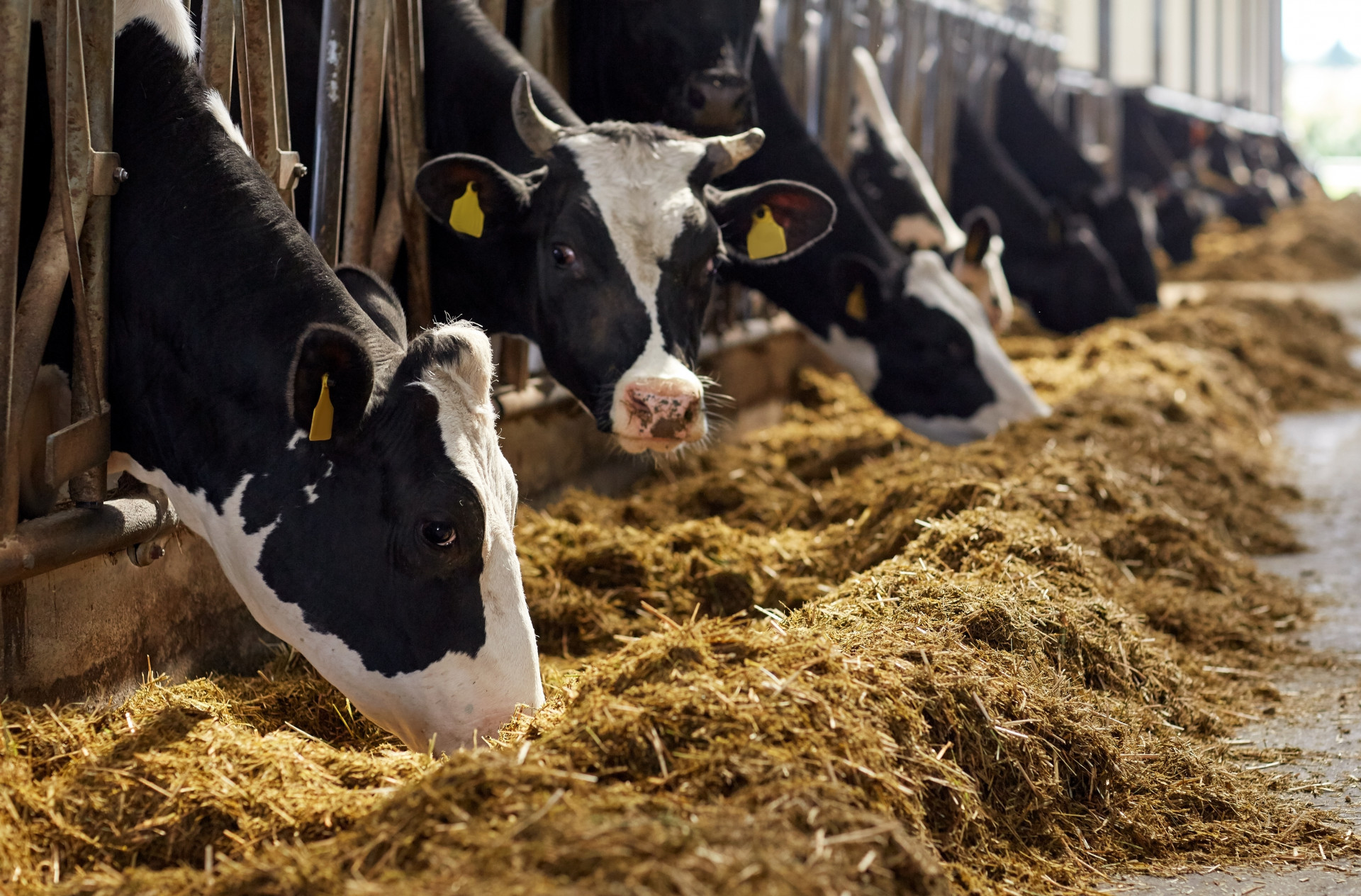
HUMAC® Natur AFM MycotoxiSorb is designed for feed manufacturers who produce high-quality feed mixes and specialised feeds for large-scale cattle, pig, poultry and other animals, who focus on processing large volumes of feed and are seeking ways to minimise the risk of mycotoxin contamination.

For effective detoxification of feed mixtures, a dosage of 0.3–0.5 per cent is recommended, which corresponds to 3–5 kg of HUMAC® Natur AFM MycotoxiSorb per 1,000 kg (1 tonne) of feed mixture. For cattle, a daily dose of 50 g per adult animal and 20 g per calf is recommended to achieve the desired effect.

Please contact us if you have any further questions.

HUMAC® Natur AFM MycotoxiSorb is supplied in 25 kg PE bags, with 10, 20, 40 or 50 bags per pallet.

Unlike siliceous clays (bentonite, zeolite), which mainly form physical bonds with organic substances, HUMAC® Natur AFM MycotoxiSorb forms strong chemical bonds with organic substances.

Thanks to its high humic substance content (+65 per cent), which has a complex organic structure containing a variety of chemical groups and reactive sites, HUMAC® Natur AFM MycotoxiSorb to form strong chemical bonds with various organic substances and has the ability to bind various heavy metals.

Mycotoxins

The presence of toxins and contaminants in animal feed is a global problem. The most common sources of toxins are filamentous fungi, particularly the genera Fusarium, Penicillium and Aspergillus, but also others such as Claviceps, Alternaria, Sordaria and Chaetomium. The secondary metabolites of these fungi are called mycotoxins (derived from the Greek word ‘mycos’, meaning fungus, and the Latin word ‘toxicum’, meaning poison). According to a global 10-year study on mycotoxins conducted by the Biomin Research Centre in Austria, of the 74,821 samples of feed and feed materials analysed, collected from 100 countries, as many as 88 per cent were contaminated with at least one mycotoxin. (Gruber-Dorninger et al., 2019) Consequently, both the private and public sectors are making considerable efforts to address the challenge of mycotoxins in feed, with the aim of maintaining production capacity and producing safe food.  One of the most commonly used approaches is the elimination of mycotoxins directly in the feed using various adsorbents.

Under favourable conditions, ubiquitous moulds begin to produce toxins as early as 5 days after infection. Mycotoxins are produced either before harvest (particularly those of the genus Fusarium) or during storage. Of the approximately 400 mycotoxins known to date, around one tenth have a significant impact on the livestock industry. Mycotoxicosis caused by these mycotoxins is diverse and affects a wide range of animal species, including humans. Mycotoxicoses can manifest as various clinical signs, which are influenced by a range of factors, such as the type and concentration of the toxin, the age, species and health status of the animal. Long-term exposure, even at low doses, results in increased susceptibility to secondary diseases of viral, bacterial and fungal origin. Feed typically contains a mixture of various mycotoxins; consequently, the resulting toxic effect may be significantly worse than that of the individual toxins. For example, the almost ubiquitous deoxynivalenol (DON) potentiates the effects of several other mycotoxins.

Diagram – the adverse effects of mycotoxins on the health of cattle, pigs and poultry.

Cereals (particularly rye and triticale): fusariotoxins (trichothecenes), ergot alkaloids (ergotoxins)
Maize: citreoviridin, penicilic acid, aflatoxins, fumonisins, zearalenone
Silage: patulin, fumonisins, citrinin, cyclopiazonic acid
Hay, straw: T-2 toxin
Oilseeds, extracted meal and oilcake: aflatoxins
Animal meal: zearalenone (F-2 toxin)

Acute poisoning caused by individual mycotoxins is very rare. When high doses are ingested, they cause clinically apparent symptoms or even death.
With long-term exposure, they can cause the following problems:
Aflatoxins (particularly AFB1) – liver
damage Fumonisins – horses, donkeys – ELEM (leukoencephalomalacia
) – pigs – PPE (pulmonary
oedema) Ochratoxins (OTA) – damage to the kidneys and liver
Zearalenone (F-2 toxin) – potent oestrogenic effect – reproductive
disorders Fusarochomanone – chickens, guinea pigs – TOP tibial dyschondroplasia – deformities of the limb
bones Ergot alkaloids (ergotoxins) – CNS disorders, convulsions, respiratory disorders, miscarriages in pregnant animals
T-2 toxin – acute inflammation of the stomach and intestines – bloody diarrhoea, haemorrhages in the skin and oral cavity

The causes of these problems stem primarily from the fact that almost all mycotoxins (all trichothecenes, ochratoxins and others) suppress the animals’ immune systems, making them more susceptible to diseases of viral, bacterial and fungal origin. Most commonly, multiple mycotoxins are present simultaneously in feed; due to their synergistic effects, even otherwise non-toxic levels can cause health problems that reduce the animals’ productivity, or specific clinical symptoms associated with a particular mycotoxin may arise, which, if that mycotoxin were present on its own, would only occur at many times higher doses. The synergism of the almost ubiquitous deoxynivalenol (DON), which potentiates the effect of aflatoxins, is particularly well known. Different mycotoxins affect different organs and metabolic processes, resulting in a reduction in overall metabolism, the onset of apathy, reduced feed intake and a significant reduction in productivity. In addition to feed, animals can also ingest mycotoxins from bedding. Mouldy straw (or hay) releases spores of stachybotriotoxin (T-2 toxin) – the only spores that contain the toxin, which is inhaled into the lungs and comes into contact with the skin.

With long-term exposure, even to small doses, other effects may also occur:
Carcinogenic: liver cancer – aflatoxins; kidney tumours – ochratoxins
; Teratogenic and mutagenic: high embryonic mortality, stillbirths and malformed offspring – deoxynivalenol, patulin, zearalenone, fumonisins, alternariols.

Physical and chemical methods are used to detoxify feed (decomposition using calcium chloride, ammonia, hydrogen peroxide, ascorbic acid, or a combination of heat and pressure or ultraviolet radiation) are used for the detoxification of feed, as well as adsorption using clay-based materials or activated carbon. A disadvantage of these processes is the considerable non-specificity of the degradation or binding of mycotoxins, which may lead to the loss of essential nutrients.

Most mycotoxins have a very stable chemical structure, which ensures they are highly thermostable and resistant to degradation caused by changes in pH or reactions with additives. It is therefore necessary to improve these parameters, which in turn increases the cost of detoxification.

Ultraviolet radiation can be very effective at breaking down certain mycotoxins, such as aflatoxins, but it also has a destructive effect on some nutrients in feed.

Sorbents are most commonly mineral substances capable of adsorbing or binding mycotoxin molecules, which are then unable to be absorbed and digested in the gastrointestinal tract. The most commonly used sorbents are activated carbon, synthetic zeolites and mineral clays. The effectiveness of sorbents depends on various factors – adsorption capacity, molecular structure, purity, type of mycotoxin, and so on. A disadvantage of these methods is that, depending on the type and intensity of the physical factor used, there is a varying degree of disruption to the nutrients and their absorption, thereby reducing the biological value of the feed.

Humic acids

Humic acids are a natural heteropolymeric material formed through the transformation of organic matter. Their molecular structure comprises a wide range of organic structures and functional groups, such as aromatic structures and aliphatic chains, benzene rings, hydroxyl, carboxyl, ether, ester, carbonyl and amino groups, amongst others. These confer characteristic chemical and microbiological properties on humic acids. The molecular weight of humic acids ranges from 20,000 to 150,000 Da, depending on the source and method of preparation. They are also reductive ion exchangers and possess amphoteric properties; consequently, they can bind ions via various mechanisms, both chemical and physical, and regulate the pH in the digestive tract.

Owing to their large specific surface area and pseudomycelial structure, which contains a large number of reactive chemical groups, they react with the functional groups of various toxic organic compounds, such as mycotoxins, bacterial toxins, endotoxins, herbicides, persistent substances (PCBs and dioxins) and form chemical bonds.  Humic acids have an affinity for toxic heavy metals (Cd, Cr, Hg, Pb, As and others) and, through chelation, prevent their absorption.

Humic acids are able to withstand the digestive processes in the gastrointestinal tract and are subsequently excreted from the body along with the bound toxins.

Humic acids are ion exchangers and can release essential microelements such as Fe, Cu, Co, Mn, Mo and a whole range of other trace elements.
They can bind certain viruses and prevent their replication.
They activate immune cells, thereby boosting the body’s defences.
They stimulate the production of anti-inflammatory cytokines, which suppress inflammation.
They restore the electrolyte balance of cells (particularly intestinal cells), thereby protecting them from damage.
In the digestive tract, they promote the growth of beneficial microflora and suppress pathogenic microflora.
They possess strong reducing properties, thereby preventing unwanted oxidation and the formation of free radicals, which they are capable of eliminating.
They have good buffering capacity and maintain an appropriate pH in the gastrointestinal tract.

Overall, it can be said that humic acids prevent the reabsorption of toxic compounds, support the immune system and the development of beneficial microflora, reduce inflammation and ensure good functional health in animals. This results in improved production parameters: weight gain, milk yield, egg production and improved reproductive performance (shorter service intervals, lower insemination index, increased litter size and hatchability, and the production of more viable young), thereby reducing morbidity and mortality.

Chemical interactions

Humic acids (HA), as a natural, heteropolymeric material formed through the transformation of organic matter, naturally consist of a wide range of chemical structures and functional groups (aromatic structures and aliphatic chains, benzene rings, hydroxyl, carboxyl, ether, ester and amino groups, amongst others), which confer characteristic chemical and microbiological properties on humic acids.

The most common mycotoxins, such as aflatoxins, ochratoxins, zearalenone (ZEA), patulin, sterigmatocystins (STCs), citrinin, ergotamine, deoxynivalenol (DON), fumonisins and trichothecenes  (Awuchi et al., 2021), also contain various functional groups, similar to HA (in the figures below {I will then find/create the figures in the same resolution and with the same graphic design as M}).

Functional groups in HA and in mycotoxins can interact with one another to form various bonds. The most common bond is the hydrogen bond, with an energy of 10–40 kJ·mol⁻¹, which can form through the interaction of acceptor (ketone, ether, ester, …), donor (alkyl, …) and donor-acceptor (hydroxyl, carboxyl, amino, …) groups. The energy of these interactions is multiplied by the number of bonds formed, and as a result, mycotoxins can be firmly bound to HA.

Thanks to the aromatic structures, weaker π–π interactions (8–12 kJ·mol⁻¹) involving delocalised π electrons are also possible.

The reaction of a carboxylic acid with an alcohol in an acidic environment can result in the formation of an ester bond (esterification). This covalent bond has an energy of 200–400 kJ·mol⁻¹ and is therefore a sufficiently strong bond between the mycotoxin and HA.

Due to the pseudomycelial structure of HA (Engebretson & Von Wandrusrka, 1994; R. L. Wershaw, 1994; Robert L. Wershaw, 1993), the secondary structure of HA contains a hydrophobic region capable of binding hydrophobic toxin molecules.

The synergy of several interactions can lead to the strong binding of mycotoxins to humic acids and the formation of stable supramolecular structures.

DISCOVER ALL OUR PRODUCTS

From the HUMAC® family
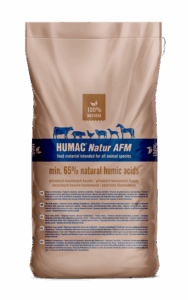
HUMAC® Natur AFM
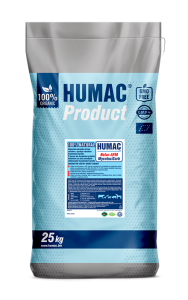
viac

HUMAC® Natur AFM MycotoxiSorb

viac

HUMAC® Natur AFM Liquid

viac

HUMAC® Agro

viac

Napíšte nám

Please enable JavaScript in your browser to complete this form.
Meno *
Loading

Kontakt

Ing. Vladimír Vaško
Riaditeľ
vasko@humac.sk
+421 910 749 403

Všeobecné informácie a otázky:
info@humac-farma.sk

Sídlo spoločnosti

HUMAC s.r.o.
Werferova 1
040 11 Košice

IČO: 43 898 327
IČ DPH: SK2022519477

Prírodné humínové kyseliny aktivované pre zdravý život

Dôležité odkazy

  • About us
  • Solutions
    • For animal husbandry
    • For plants and soil
    • For the environment
  • Products
    • HUMAC® Natur AFM MycotoxiSorb
    • HUMAC® Natur AFM
    • HUMAC® Natur AFM Liquid
    • HUMAC® Agro
  • Contact
    • Cooperation
  • English
    • Slovenčina
    • Čeština
    • English
    • Deutsch

Naša spoločnosť

HUMAC s.r.o.
Werferova 1
04001 Košice
IČO:  43898327
IČ DPH:  SK2022519477

Registračné číslo krmivárskeho podniku SK 10090, C1V, E

© 2026 Humac s.r.o., All rights reserved. - OceanWP Theme by OceanWP
Zavrieť
  • About us
  • Solutions
    • For animal husbandry
    • For plants and soil
    • For the environment
  • Products
    • HUMAC® Natur AFM MycotoxiSorb
    • HUMAC® Natur AFM
    • HUMAC® Natur AFM Liquid
    • HUMAC® Agro
  • Contact
    • Cooperation
  • English
    • Slovenčina
    • Čeština
    • English
    • Deutsch
Search this website